Affordable gardeners for terraced homes on Lee High Road
If you live in a terraced home on or near Lee High Road, you already know the garden situation can be a bit awkward. Narrow access, shared boundaries, limited storage, and neighbours close by can make even simple jobs feel more involved than they should. That is exactly where affordable gardeners for terraced homes on Lee High Road can make life easier. Not by doing less, but by doing the right work efficiently, with the right tools, and without turning your small outdoor space into an expensive project.
In practical terms, affordable garden care is about value. It means keeping costs sensible while still getting a tidy, healthy, usable garden that suits the shape of a terrace property. For many homes in this part of London, that can mean regular maintenance, careful hedge work, lawn care, clearing overgrowth, or small landscaping improvements that make a surprising difference. Let's face it, a compact garden can go from "fine" to "how did it get like this?" very quickly.
This guide explains how affordable garden services work, what to look for, which tasks are worth paying for, and how to avoid common mistakes that lead to overspending. If you are comparing options, trying to understand pricing, or simply want a more manageable outdoor space, you are in the right place.
Table of Contents
- Why this matters for terrace homes on Lee High Road
- How affordable garden services work
- Key benefits and practical advantages
- Who this is for and when it makes sense
- Step-by-step guidance
- Expert tips for better results
- Common mistakes to avoid
- Tools, resources and recommendations
- Law, compliance, standards and best practice
- Options, methods and comparison table
- Case study or real-world example
- Practical checklist
- Conclusion
- Frequently asked questions
Why Affordable gardeners for terraced homes on Lee High Road Matters
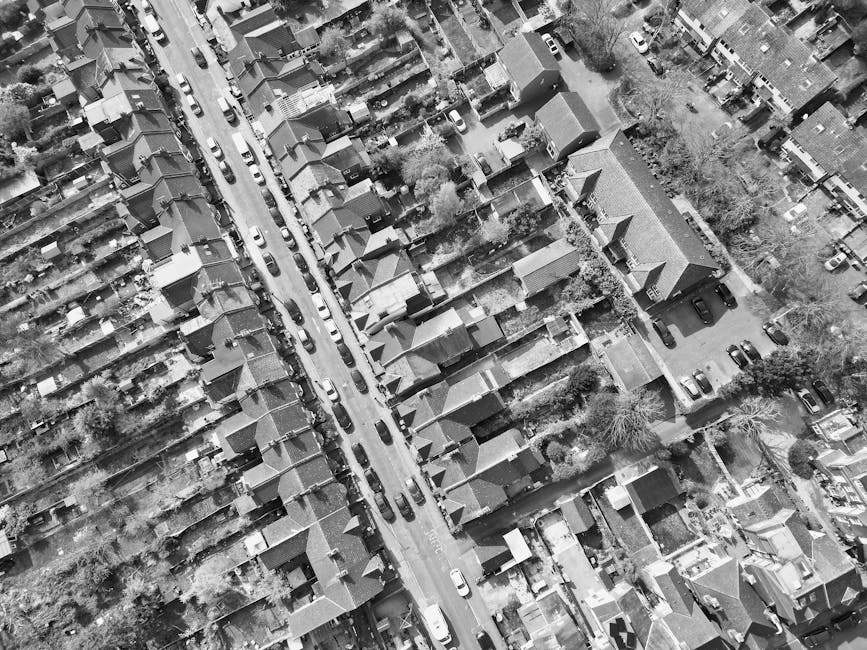
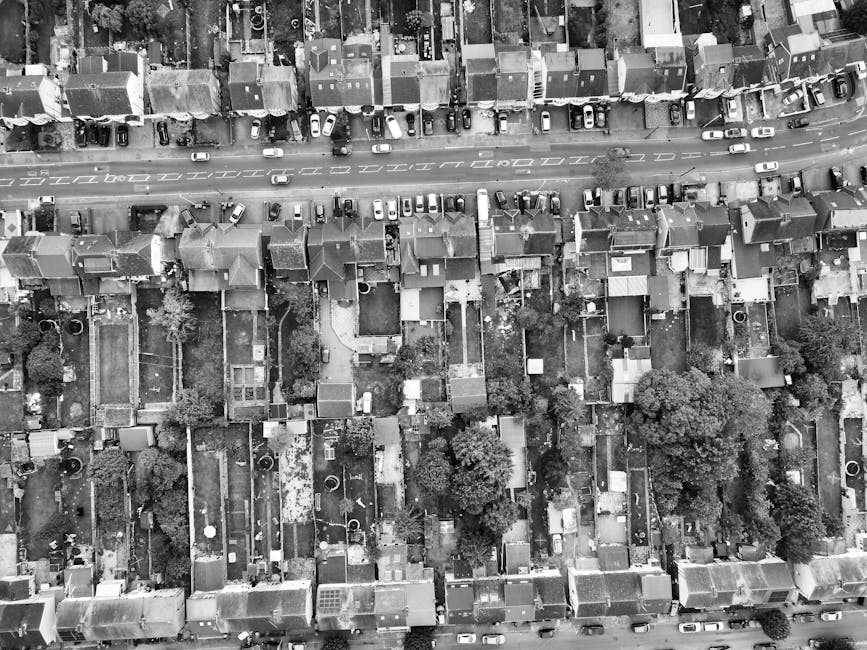
Terraced homes are a different animal from larger detached properties. Gardens are often long and narrow, or paved in sections, with restricted side access and a layout that makes machinery hard to move around. On Lee High Road, where properties can be tightly packed and outdoor space is often at a premium, those constraints matter. A service that looks cheap on paper can end up being poor value if it is not built around terrace-style gardens.
Affordability matters too, because garden work is easy to postpone. One season of missed hedge trimming or skipped lawn care can quickly become a bigger job. Then the quote gets larger, the garden feels more overwhelming, and the whole thing becomes one of those jobs you keep "meaning to sort". Sounds familiar, doesn't it?
The real value is in keeping the garden under control before it becomes costly. For terraced homes, that often means short, repeatable tasks rather than one huge overhaul. A good local gardener will understand that. They will plan around access, waste removal, recurring maintenance, and the practical realities of working in a built-up London street.
For homeowners and landlords alike, that can protect kerb appeal, reduce neighbour friction, and make the outdoor space actually usable. And if you are preparing to rent, sell, or simply enjoy the garden more yourself, the difference is noticeable almost immediately.
For a broader view of the kinds of work that can be bundled sensibly, it helps to review the services overview and decide what your garden really needs, not what sounds impressive in a sales pitch.
How Affordable gardeners for terraced homes on Lee High Road Works
Affordable garden service is usually built around efficiency. That does not mean rushing. It means choosing the right tasks, the right frequency, and the right level of labour for the size of your garden. A good gardener will often start by looking at access, the condition of the space, and whether the job is best handled as a one-off visit or an ongoing maintenance plan.
For terraced homes, the process often looks like this:
- Initial assessment. The gardener checks the condition of lawns, hedges, beds, hard landscaping, and any overgrowth or waste.
- Task prioritisation. They identify what is urgent, what can wait, and what can be done in a single visit to save money.
- Access planning. Narrow paths, rear access, shared gates, and storage limitations are factored in so the job runs smoothly.
- Work scheduling. The garden may benefit from regular visits rather than large, irregular clear-ups.
- Waste handling. Green waste is collected, sorted where possible, and removed in a way that keeps the garden usable.
That final point is easy to overlook. Waste is often part of the cost equation. If a garden has been left to grow for several months, removing cuttings, branches, and old debris can take as long as the cutting itself. A gardener who understands this will tell you up front, rather than leaving you with a surprise pile of clippings and an awkward Monday morning.
If your garden needs a reset, a service such as garden clearance can be a practical first step before you move into ongoing maintenance. If the space is already reasonably tidy, routine garden maintenance may be the better-value option.
Some jobs are more specialised. Neat edges, overgrown boundaries, and privacy hedging often call for hedge trimming, while small lawns may benefit from regular visits for lawn mowing. The key is not to overbuy. A terrace garden rarely needs everything at once.
Key Benefits and Practical Advantages
There are a few clear reasons why a budget-conscious, locally informed gardener can be a smart choice for terrace properties.
- Better value over time. Regular light maintenance is often cheaper than repeated major tidy-ups.
- More usable space. A small garden feels much larger once it is cut back, edged, and organised properly.
- Lower stress. You do not have to plan, lift, clear, or dispose of everything yourself.
- Cleaner presentation. This matters if you are letting, selling, or simply trying to keep the front or rear garden presentable.
- Less neighbour conflict. No overhanging growth, fewer messy cuttings, and less chance of awkward boundary issues.
There is also a subtle but important benefit: consistency. A small terraced garden can look tidy without being high maintenance if it is looked after on a sensible schedule. That is the sweet spot. Not manicured to the inch, just healthy and in control.
For properties with small structural additions such as steps, decking zones, or narrow patios, combining gardening with light outdoor improvements may help. If that is relevant, it is worth exploring decking services or broader landscaping options if the garden has functional problems rather than just maintenance needs.
A good service should also respect what you do not need. That is part of affordability. If a gardener suggests a full redesign when you only need pruning, that is a sign to pause and think again.
Who This Is For and When It Makes Sense
This kind of service makes sense for a wide range of people, not just busy professionals. In fact, some of the most common users are ordinary homeowners with ordinary gardens that have slowly got away from them. It happens. Life gets busy, weather turns, growth surges, and suddenly the back garden has become a miniature jungle with opinions.
You may benefit from affordable gardeners if you are:
- a homeowner on Lee High Road or nearby streets with limited time for regular upkeep;
- a landlord wanting the property to look cared for between tenancies;
- an older resident who wants the garden maintained safely and without strain;
- a first-time buyer learning how to manage a compact urban garden;
- someone preparing to put a home on the market and needing quick presentation improvements;
- a family who wants the space tidy enough for children, pets, or outdoor dining.
It also makes sense if you know your garden does not need dramatic intervention. A lot of people spend too much because they ask for a big transformation when what they really need is targeted upkeep. Truth be told, a simple plan can do more for a terrace garden than a flashy overhaul.
If you are unsure where to start, a quick review of pricing and quotes can help you think about the shape of the job before you commit to anything bigger.
Step-by-Step Guidance
Here is a practical way to approach affordable garden care for a terrace property.
1. Walk the garden with fresh eyes
Look at what is actually bothering you. Is it the grass, the hedge, weeds, overgrown borders, broken clearance, or just the sense of clutter? This sounds simple, but it prevents waste. A lot of jobs become expensive because nobody defines the goal clearly enough.
2. Separate urgent tasks from cosmetic ones
Urgent tasks are things that affect safety, access, plant health, or neighbour boundaries. Cosmetic tasks are things that make the space look nicer. Both matter, but not equally. If the budget is tight, start with the urgent work first.
3. Decide whether you need one-off or recurring help
One-off work is ideal for an overgrown reset. Recurring care is usually better once the garden is back under control. Small gardens often benefit from a little and often approach. Every four to six weeks may be enough for some properties; others need seasonal visits only. It depends on growth, use, and how much you want to do yourself.
4. Ask what is included
Does the quote cover waste removal? Do they edge the lawn? Will they clear clipped material from paths and patios? These details matter. A cheap job can stop being cheap if you have to finish half of it yourself.
5. Check access and storage
Terraced homes can be tricky. If tools need to be carried through the house or down a narrow passage, say so early. The same goes for water access, parking, and where cuttings will be stacked before removal. A little preparation saves time, and time is money.
6. Review the result and set the next date
Once the first visit is done, take ten minutes to look at what changed. Does the garden now feel manageable? Is there a clear next task? If yes, you are on the right track.
One small but helpful habit: keep a short note on your phone about what the gardener did and what still needs attention. It sounds dull. It is very useful, though.
Expert Tips for Better Results
After enough visits to compact city gardens, a few patterns show up again and again. These are the little things that help keep costs under control and results stronger.
- Book before the garden becomes a problem. Cutting back a garden that is only slightly overgrown is cheaper than rescuing one that has been left for months.
- Group jobs together. If the hedge needs trimming and the lawn needs mowing, doing both in one visit often makes more sense.
- Use seasonal timing. A spring tidy and an autumn clear-up can keep a terrace garden in shape without constant spending.
- Keep pathways clear. This makes the site safer and speeds up the work.
- Be realistic about finish level. Not every garden needs a showroom look. A clean, healthy, usable garden is often enough.
Another practical tip: if your rear garden has mature shrubs or awkward corners, ask about light reshaping rather than repeated aggressive cutting. Over-cutting can damage plant health and create more work later. It is one of those classic false economies.
Expert summary: The cheapest gardener is not always the most affordable. The best value usually comes from someone who understands terrace layouts, keeps visits efficient, and avoids unnecessary work.
That is especially true in neighbourhoods where access is tight and every minute on site matters. A bit of thought goes a long way.
Common Mistakes to Avoid
People often overspend because they make one of a handful of predictable mistakes. Here are the big ones.
- Hiring on price alone. A low quote without clear scope is often not the bargain it appears to be.
- Booking the wrong type of service. Clearance, maintenance, landscaping, and hedge trimming solve different problems.
- Ignoring waste removal. Green waste left behind can ruin the value of the visit.
- Expecting a one-off cut to solve recurring growth. It rarely does.
- Being vague about access. Narrow gates and limited parking should never be a surprise on the day.
- Overcomplicating the brief. If the goal is a tidy terrace garden, do not turn it into a full redesign unless that is genuinely needed.
There is also the issue of not budgeting for the garden you actually have. A small London terrace may look modest, but if it has years of accumulated growth, neglected borders, or unstable old features, the job can still be substantial. Not wildly expensive, just more involved than expected.
Where shrubs are blocking light, trees are crowding the garden, or branches are becoming a nuisance, a specialist approach may be needed. In some cases, tree lopping and removal becomes part of the wider maintenance plan, though that should always be discussed carefully and only where it is appropriate.
Tools, Resources and Recommendations
Affordable garden care is not only about labour. The right tools and service structure can reduce time on site, which helps with value. For terrace gardens, the common essentials are fairly straightforward.
- Hand tools: secateurs, loppers, shears, edging tools, and hand rakes for tighter spaces.
- Lightweight machinery: compact mowers or trimmers suited to smaller access points.
- Waste bags or bins: useful for keeping arisings contained while work is ongoing.
- Protective gear: gloves, eye protection, and sensible footwear.
- Planning notes: a simple task list helps keep each visit focused.
From a homeowner perspective, the most useful "resource" is often a clear idea of what the space is for. Do you want somewhere to sit out with coffee? Room for planters and herbs? A clean play area? A low-maintenance patch of green? Once that is clear, the gardener can work more intelligently.
It also helps to think about long-term sustainability. Composting suitable waste, reducing repeated heavy clearances, and choosing maintenance patterns that avoid overworking the garden all support a more sensible approach. If that matters to you, recycling and sustainability is worth considering as part of the service conversation.
If you are looking for a company profile before booking, the about us page can help you understand the team's approach, while insurance and safety is the right place to check the basics around safe, responsible work.
Law, Compliance, Standards and Best Practice
For normal garden maintenance in a domestic terrace setting, you do not usually need a complicated compliance checklist, but a few standards still matter. Good gardeners should work safely, use suitable equipment, and avoid creating avoidable risk to people, property, or neighbouring spaces.
Best practice in the UK context generally means:
- working carefully around boundaries, shared access, and neighbouring gardens;
- managing waste properly and leaving the site tidy;
- using tools in a way that reduces noise, mess, and disturbance where possible;
- being clear about what is included in the job and what is extra;
- handling higher-risk tasks, such as tree work, with appropriate caution.
For homeowners, the main thing is to choose gardeners who treat safety and property care seriously. That includes insurance, sensible risk awareness, and a clear complaints process if something goes wrong. These details are not glamorous, but they are what separate a professional service from a casual one.
It is also worth reading practical policy pages such as health and safety policy, payment and security, and complaints procedure if you want a better sense of how a provider handles the unglamorous but important side of the job.
And yes, that part matters. A tidy garden is lovely. A tidy, safe, well-managed service is better.
Options, Methods, or Comparison Table
If you are weighing up your choices, it helps to compare the main types of garden support available for a terraced property.
| Option | Best for | Typical strengths | Possible drawbacks |
|---|---|---|---|
| One-off clearance | Overgrown gardens, messy resets, move-in/move-out situations | Fast transformation, clears backlogged work | May not prevent regrowth without follow-up |
| Regular maintenance | Managed terrace gardens that need steady upkeep | Predictable cost, easier to budget, keeps things under control | Less suitable if the garden is already badly overgrown |
| Targeted task visits | Specific jobs like hedge trimming or lawn mowing | Good value for focused needs, efficient use of labour | Does not address wider garden issues |
| Broader landscaping | Gardens with layout problems, poor flow, or tired hard surfaces | Can improve usability and appearance in a lasting way | Usually more involved than basic upkeep |
For many homes on Lee High Road, the most cost-effective path is a mix: a cleanup first, then light recurring maintenance. It is simple, really. Get the space back to a baseline, then stop it sliding again.
Case Study or Real-World Example
Picture a typical terraced home with a rear garden that had not been properly looked after for a few months. The lawn was patchy but salvageable, the hedge had started to lean into the neighbour's side, and the patio edge was hidden under weeds. Nothing dramatic, just enough to make the space feel smaller every time the back door opened.
Instead of booking a large, expensive redesign, the homeowner asked for a tidy-up focused on the most visible problem areas. The work was kept practical: hedge trimming, lawn mowing, border clearing, and removal of cuttings. A small amount of planning also went into access so the work could be done efficiently without dragging equipment through the house more than necessary.
The result was not a "before and after" fantasy. It was better than that. The garden became usable again. The patio looked bigger. The boundary line was clear. The family could sit outside without feeling they were in a neglected corner of the city. That is the kind of transformation affordable gardeners should deliver, and honestly, it is often enough.
In cases where the garden has deeper structural issues, the next step may be a more considered improvement plan through landscape gardening. But if the main issue is routine maintenance, keeping the solution simple is usually the smart move.
Practical Checklist
Use this checklist before you book:
- Have I identified the main problem areas clearly?
- Do I need clearance, maintenance, or a specific task such as hedge trimming?
- Is waste removal included or discussed separately?
- Have I mentioned access limitations, gates, parking, or narrow paths?
- Do I know whether this should be a one-off visit or recurring work?
- Have I checked the service information and pricing details?
- Is the garden goal realistic for the budget I have in mind?
- Have I thought about safety, insurance, and what happens if something goes wrong?
- Do I want simple upkeep, or is there a wider landscaping need?
- Am I clear about the finish I want: tidy, low-maintenance, family-friendly, or presentable for sale/letting?
One small tip: take a quick photo before the first visit. It sounds almost too basic to mention, but it helps you judge whether the work you paid for actually solved the right problem. Handy, that.
Get a free quote today and see how much you can save.
Conclusion
Affordable gardeners for terraced homes on Lee High Road are not about cutting corners. They are about understanding how compact London gardens really work and choosing the right level of help for the space you have. For many homes, that means regular maintenance, clear communication, sensible timing, and a focus on practical results rather than unnecessary extras.
If you keep the brief tight, choose the right service, and stay ahead of overgrowth, your garden becomes easier to manage and far more enjoyable to use. That is the real win here. Not perfection. Just a space that feels looked after, useful, and quietly welcoming every time you step outside.
And sometimes, that small bit of calm in the middle of a busy street is worth more than a big dramatic makeover.
Frequently Asked Questions
How do I find affordable gardeners for a terraced home on Lee High Road?
Look for a gardener who understands small urban gardens, asks sensible questions about access and waste, and offers clear pricing for the specific work you need. Value usually comes from efficiency and scope, not just the lowest headline figure.
Is a one-off tidy-up better than regular maintenance?
It depends on the garden's condition. If it is badly overgrown, a one-off clearance may be the best first step. If it is already under control, regular maintenance is often better value and easier to budget for.
What makes terraced home gardens different from other gardens?
They are often narrower, more enclosed, and harder to access. That means tasks can take longer than expected if the gardener is not used to working in terrace layouts. Planning matters more than people think.
Can I just book lawn mowing or hedge trimming on its own?
Yes, if that is the main issue. Targeted jobs are often the most affordable option when the rest of the garden is already in reasonable shape.
Do affordable gardeners include waste removal?
Sometimes yes, sometimes it is separate. Always ask. Waste handling can affect the final cost quite a bit, especially after clearance work.
How often should a small terrace garden be maintained?
That depends on growth and how the garden is used, but many compact gardens benefit from light, recurring maintenance rather than waiting for a big seasonal clear-up. A little and often approach usually keeps costs down.
Will a gardener need access through my house?
In some terraced properties, yes. If rear access is limited, make that clear before the visit so the gardener can plan tools, cuttings, and movement around the property properly.
Is landscaping worth it for a small terraced garden?
Sometimes. If the space has practical issues such as poor layout, awkward paving, or unusable corners, landscaping can improve how the garden works. If the only issue is maintenance, though, a lighter-touch service may be enough.
How can I keep garden costs down?
Be specific about what needs doing, combine jobs where sensible, and keep on top of maintenance before the garden becomes badly overgrown. That is usually where the savings are.
What should I ask before booking a gardener?
Ask what is included, whether waste removal is covered, how access will work, how often the work should be repeated, and whether the service is suited to terraced homes. Clear answers save headaches later.
Are safety and insurance important for garden work?
Yes. Even straightforward garden jobs involve tools, movement around hard surfaces, and sometimes awkward access. It is sensible to choose a provider that takes safety and insurance seriously.
What if my garden needs more than maintenance?
If the garden has deeper layout issues, tired surfaces, or major overgrowth, a combination of clearance and landscaping may be more appropriate. Start with the problem you can see most clearly, then build from there.