Garden maintenance guide for Lee High Road terraces
If you live on Lee High Road, you already know the rhythm of terrace life: narrow front spaces, shared boundaries, a bit of shade from neighbouring houses, and a garden that can go from neat to tangled rather quickly. This Garden maintenance guide for Lee High Road terraces is written for exactly that kind of setting. Not a huge country plot. Not a showroom lawn. A real terrace garden that needs regular care, sensible choices, and a plan that fits busy London life.
The good news? Terrace gardens can look great with the right routine. Even a small patch can feel calm, private, and surprisingly generous if you keep on top of pruning, mowing, feeding, clearing, and seasonal jobs. And to be fair, once you understand the layout of a terrace garden, maintenance becomes much less of a mystery. You stop guessing. You start noticing what the space actually needs.
This guide covers what matters, how maintenance works, what to do in each season, the mistakes that cause headaches, and when it makes sense to bring in professional help. If you want a garden that feels looked-after rather than constantly "nearly done", you're in the right place.
Table of Contents
- Why garden maintenance for Lee High Road terraces matters
- How terrace garden maintenance works
- Key benefits and practical advantages
- Who this is for and when it makes sense
- Step-by-step guidance
- Expert tips for better results
- Common mistakes to avoid
- Tools, resources and recommendations
- Law, compliance, standards, and best practice
- Options, methods, or comparison table
- Case study or real-world example
- Practical checklist
- Conclusion
- Frequently asked questions
Why Garden maintenance guide for Lee High Road terraces Matters
Terraced homes on Lee High Road often come with gardens that have to do a lot in a small amount of space. They may need to provide privacy, somewhere for children or pets to use, a place for a bin store or shed, and a bit of green relief from all the hard surfaces nearby. Because the space is compact, small problems show up quickly. A missed hedge trim can look untidy in days. A clogged border can make the whole garden feel cramped. A patchy lawn stands out immediately.
That is why maintenance is not just about appearance. It's about protecting the value and usefulness of the space. Regular care helps prevent weeds from setting in, reduces damage from overcrowding, keeps drainage working properly, and stops shrubs or climbers from taking over. On a terrace, one neglected corner can throw the whole balance off.
There's also the everyday comfort factor. A maintained garden is easier to use after work, on weekends, or when friends pop round. You notice it on a rainy Tuesday afternoon too. The sightlines are cleaner, the paths are safer, and the whole place feels less like a chore.
Practical takeaway: on Lee High Road terraces, good garden maintenance is less about dramatic transformation and more about consistency. Small, regular jobs usually beat big rescue missions every time.
How Garden maintenance guide for Lee High Road terraces Works
Terrace garden maintenance works best when you treat the space as a sequence of zones rather than one lump of greenery. Front gardens, rear gardens, side returns, paved areas, planting beds, lawn sections, and vertical features all behave differently. A good routine checks each one in turn.
In practice, a maintenance visit or DIY session usually includes:
- clearing leaves, litter, and debris
- cutting grass if there is a lawn
- trimming hedges, shrubs, and climbers
- weeding beds, paths, and patio joints
- deadheading flowers and removing dead growth
- checking for overwatering, compacted soil, or bare patches
- tidying edges so the space looks defined and intentional
That sounds simple enough, but the real skill is timing. Terrace gardens in London can be a bit odd in microclimate terms. One corner might stay damp and shady all week, while another gets full sun and dries out fast by lunchtime. If you've ever watered a border only to find it bone dry again by the next morning, you'll know the feeling.
The most reliable approach is seasonal. In spring, you reset the garden and encourage growth. In summer, you stay on top of watering and trimming. In autumn, you clear fallen material and prepare for wetter weather. In winter, you protect vulnerable plants and avoid damaging the soil when it's sodden.
If you want a broader view of how professional care can be organised, the main garden maintenance service page gives a useful overview of the kind of work typically covered, while services overview is helpful if you're comparing different garden tasks and planning what to prioritise first.
Key Benefits and Practical Advantages
There's a visible payoff to regular maintenance, but the less obvious benefits matter just as much. On Lee High Road terraces, where space is at a premium, each practical advantage tends to compound the next.
- Better use of small spaces: A well-kept garden feels larger because it is not visually cluttered.
- Healthier plants: Pruning, feeding, and weed control help borders and containers thrive instead of struggle.
- Lower long-term cost: Preventing problems usually costs less than correcting them later.
- Improved privacy: Trimmed hedges, trained climbers, and managed screens work better than overgrown guessing games.
- Safer surfaces: Mossy paving, loose debris, and low branches can be addressed before they become annoying or risky.
- Better first impressions: A tidy front garden changes the whole feel of a terrace property, honestly.
There is also a mental benefit that people underestimate. A garden that feels under control makes the home feel more settled. It is a small thing, but it changes how the space lands when you step outside first thing in the morning. The air smells fresher, the view is calmer, and you are less likely to spot a six-foot weed and mutter under your breath.
For homes where privacy is a concern, maintenance works hand in hand with planting design. If you are considering screening or layered planting, the blog article on thoughtful tall potted plant choices is a useful companion piece, especially for tighter terrace layouts where a full hedge may not be practical.
Who This Is For and When It Makes Sense
This guide is for anyone responsible for a terrace garden on or near Lee High Road. That includes homeowners, tenants with garden access, landlords, and people preparing a property for sale or rental. It also applies if you have inherited a garden that has become a bit unruly. No judgement. That happens more often than people admit.
It makes sense to focus on maintenance if any of these sound familiar:
- the garden looks tidy from a distance but messy up close
- you are always fighting weeds in paving or borders
- shrubs, climbers, or hedges are getting too large
- the lawn is thinning, patchy, or uneven
- you want the space to feel private without blocking all light
- you have limited time and need a routine that is realistic
- you want the garden to look good for guests, tenants, or potential buyers
For some people, the answer is a light monthly tidy-up. For others, it is a more thorough seasonal service plus a few in-between jobs. A busy family with children and pets will have different needs from a couple who mostly use the garden in summer evenings. That's normal. The right plan depends on how the space is used, not just what it looks like on paper.
If you are comparing service levels or deciding whether a one-off visit is enough, the pricing and quotes page can help you think through the scope of work before you book anything. No need to overcomplicate it, really.
Step-by-Step Guidance
A sensible maintenance routine does not need to be elaborate. It needs to be repeatable. Here is a straightforward way to keep a Lee High Road terrace garden in good shape.
1. Start with a full visual sweep
Walk the whole garden slowly and look for the obvious stuff first: overgrowth, weeds, broken branches, fallen leaves, moss, bare patches, and anything leaning, snagged, or out of proportion. Don't just scan from the patio door. Get close to the borders and corners. That is where the mess usually hides.
2. Clear debris before you trim
Leaves, twigs, and loose clippings make the job harder if you leave them in place. Clearing first gives you a better view and stops you chopping over waste. If there is a lot of built-up material, a dedicated clearance step can save time. In heavier cases, a proper garden clearance visit may be the most practical starting point, especially if the garden has been ignored for a season or two.
3. Tackle weeds early
Weeds are much easier when they are small. Pull them from beds while the soil is slightly moist, and remove them from cracks in paving before roots settle deeper. In terrace gardens, pavement joints and narrow borders are often the worst offenders. Let them go once and suddenly the whole place feels ten years older. A bit dramatic, but true.
4. Trim to shape, not just to size
When you cut shrubs, hedges, or climbers, think about form as well as length. Terrace gardens look better when plants have a defined edge and a clear silhouette. The aim is not to shave everything flat. It is to keep growth balanced so light still reaches the lower parts.
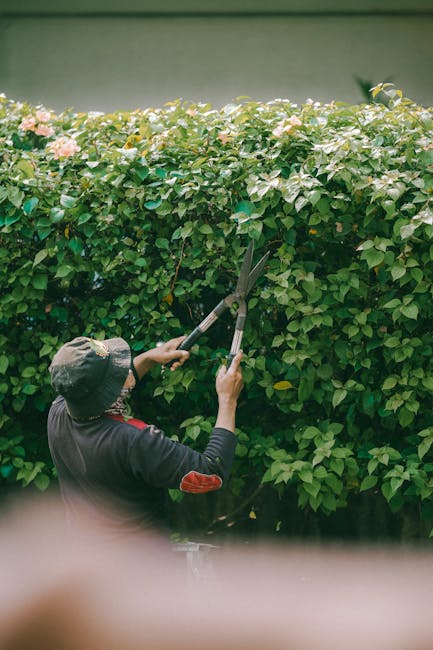
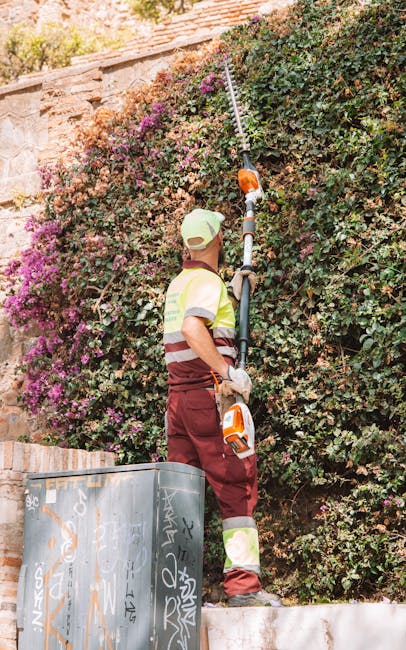
If hedge or screen plants are becoming hard to manage, hedge trimming can restore structure and stop the garden from feeling enclosed in a bad way.
5. Care for the lawn properly
If your terrace garden has a lawn, give it regular attention rather than waiting for it to become long and tired. Keep the mower blades reasonably sharp, avoid cutting too short in hot weather, and pay attention to patchy or compacted areas. A small lawn can still look lovely, but only if it is not treated like a forgotten strip of green carpet.
For most homeowners, lawn mowing is one of the simplest ways to keep the entire garden looking cared for. Edge lines matter too. A crisp edge can make even a modest lawn seem much more intentional.
6. Feed, water, and mulch where needed
Plants in terrace gardens often live in containers or relatively small beds, so they can dry out quickly and run short of nutrients. A mulch layer helps retain moisture and suppress weeds. Watering should be done with the weather in mind, not just habit. Overwatering is a real thing, and yes, some people do love their hosepipe a little too much.
7. Finish with edges and detail work
Once the big jobs are done, the final tidy matters. Straighten loose stems, sweep paths, clean the patio, and redefine bed edges if they've gone soft. It is the difference between "recently cut" and genuinely looked after.
Expert Tips for Better Results
Here are a few practical habits that make terrace garden maintenance noticeably easier over time.
- Work from the top down: Trim overhead growth first, then shrubs, then beds, then the ground. It keeps the whole job cleaner.
- Use layered planting: In tight spaces, a mix of heights creates interest without clutter. One level alone can look flat.
- Leave breathing room: Plants need space to grow, and terraces can become crowded fast. A little gap is not wasted space.
- Keep bins and storage tidy: Messy utility areas drag down the garden visually, even if the planting is fine.
- Watch drainage after heavy rain: Standing water often reveals compacted soil or blocked routes for runoff.
- Prune little and often: Smaller cuts are easier on plants and less stressful than occasional heavy hacking.
One detail people miss is how light changes over the day. A terrace garden that feels gloomy in the morning may get a lovely sun patch by late afternoon. If you have ever moved a chair around the garden several times on one day, you already understand this instinctively. Maintenance should support those best spots, not fight them.
If you are thinking about upgrading the space rather than merely maintaining it, landscape gardening and landscaping can help you plan a layout that is easier to keep tidy from the start. That makes a big difference in small terrace gardens, where every square metre earns its keep.
Common Mistakes to Avoid
Most garden problems on terrace properties come from a few recurring mistakes. They are easy to make, especially if the job has been delayed for a while.
- Letting growth get away from you: Fast-growing climbers and shrubs can dominate quickly if left unchecked.
- Cutting too much at once: Heavy pruning can stress plants and leave the garden looking bare.
- Ignoring the edges: Untidy margins make the whole space look unfinished.
- Assuming all plants need the same care: Shade plants, sun plants, and container plants all behave differently.
- Using the wrong tools: A blunt mower blade or poor hedge cutter creates ragged cuts and extra work later.
- Skipping seasonal checks: A terrace garden needs different attention in winter than it does in July.
A very common one? Trying to "do everything at once" on a Saturday afternoon and then burning out halfway through. It happens. The garden wins. The keys are consistency and a realistic plan. Better a tidy border and a half-finished bed than a heroic effort followed by three months of avoidance.
Another mistake is forgetting that a neat garden is not always a simple garden. If maintenance feels heavier than it should, that may be a layout issue rather than a motivation issue. Sometimes the answer is a redesign of the problem area, not more willpower.
Tools, Resources and Recommendations
You do not need a huge kit to maintain a terrace garden properly, but a reliable basic set makes life easier. The exact tools depend on your plants and surfaces, though most homes benefit from the following:
- hand trowel and border fork
- secateurs for light pruning
- hedge trimmer or shears
- lawn mower, if there is turf
- leaf rake or garden broom
- watering can or hose with sensible control
- gloves, waste bags, and a sturdy bucket
- spare ties or soft plant supports for climbers and young stems
For homes with more than a quick tidy-up requirement, it can be useful to pair general maintenance with specialist tasks. For example, tree work should be handled carefully, especially where branches overhang fences, sheds, or neighbouring gardens. If a tree is becoming too dominant or unsafe, tree lopping and removal may be relevant, though it should be approached cautiously and only where appropriate.
On sustainability, many terrace gardeners prefer to compost light green waste, reuse pruned material where suitable, and reduce unnecessary disposal. If you care about that side of things, the page on recycling and sustainability is worth a look. It is not flashy, but it matters. Waste handling, after all, is part of good maintenance too.
For service information and standards of work, some readers also like to review insurance and safety and the broader health and safety policy. That is especially sensible if you are arranging work in a shared access area or on a property with steps, narrow passages, or awkward surfaces.
Law, Compliance, Standards, and Best Practice
Garden maintenance in a terrace setting is usually straightforward, but there are still a few sensible compliance points to keep in mind. This is not the place for drama, just plain good practice.
First, if you live in a terrace property with shared boundaries, fences, or access paths, be mindful of neighbours and avoid overstepping onto their side without permission. If pruning or clearance affects a boundary line, communication helps prevent disputes. A quick conversation can save a lot of hassle later.
Second, in London it is common for small gardens to sit close to buildings, drains, and paved routes. That means slippery surfaces, loose tools, and waste piles can create hazards if left unmanaged. Good housekeeping is not only tidy; it is safer.
Third, where professional work is involved, it is reasonable to expect sensible safety procedures, suitable equipment, and clear handling of garden waste. If a job requires ladders, cutting tools, or work near structures, best practice matters. The goal is not to obsess over paperwork. It is to avoid avoidable damage and accidents.
Finally, if you are dealing with protected trees, unusual species, or anything that seems beyond standard hedge-and-beds maintenance, pause and seek proper advice before cutting. In London, being cautious is better than learning the hard way.
Options, Methods, or Comparison Table
Different terrace gardens need different maintenance styles. Some are best handled with a light, regular routine. Others need a reset and then ongoing care. The table below gives a simple comparison.
| Approach | Best for | What it includes | Pros | Limitations |
|---|---|---|---|---|
| Light regular upkeep | Gardens already in decent shape | Tidying, weed control, lawn cuts, basic pruning | Simple, affordable, easy to sustain | May not be enough for overgrown areas |
| Seasonal deep maintenance | Gardens that change a lot through the year | Heavier pruning, bed work, clearance, lawn recovery | Resets the garden and improves structure | More time-consuming and more disruptive |
| One-off rescue visit | Neglected or recently acquired gardens | Full clear-up, cutback, waste removal, basic restoration | Fastest way to regain control | Needs follow-up to stay looking good |
| Planned redesign plus maintenance | Gardens that are hard to maintain as they are | Layout changes, planting changes, access improvements | Makes ongoing care easier | Higher upfront effort and planning |
If you are unsure which route fits your garden, start with the simplest honest question: is the problem mainly upkeep, or is the layout itself making upkeep harder than it should be? That question saves a lot of wandering in circles.
Case Study or Real-World Example
Here's a realistic terrace-garden scenario from the kind of job that comes up often. A Lee High Road homeowner has a compact rear garden with a narrow lawn, an overgrown hedge at the back, two planting beds, and paving that has started to collect weeds in the joints. The garden is not disastrous, but it feels tired. The owner wants it to look presentable again without turning it into a full redesign.
The maintenance plan begins with clearing fallen leaves and dead growth. Then the hedge is reduced to a manageable shape so light can reach the lower planting. The lawn is cut carefully rather than scalped. Weeds are removed from the paving and bed edges, and the borders are redefined so they stop spilling into the path. A thin mulch layer is added to the beds to keep moisture in and discourage fresh weeds. Finally, the patio is swept, the pots are grouped more neatly, and the whole space is checked from the back door view.
The result is not dramatic in the glossy-magazine sense. It is better than that. The garden feels usable again. The owner can see the shape of the space, reach the planting beds without stepping through clutter, and enjoy the evening light without the feeling that the garden is silently judging them. Small win, but a real one.
For homes that need a bigger reset before the maintenance can even begin, a professional garden clearance approach often makes the difference between "manageable" and "overwhelming".
Practical Checklist
Use this checklist for a quick seasonal or monthly terrace-garden review. It works well for Lee High Road properties where space is limited and visibility is high.
- Walk the garden and note what looks messy or unhealthy
- Remove leaves, litter, and loose debris
- Pull weeds from beds, paving, and edges
- Trim hedges, shrubs, and climbers if they are straying
- Mow the lawn if needed and tidy the edges
- Deadhead flowers and remove dead stems
- Check pots and beds for dry soil or waterlogging
- Refresh mulch where the soil is exposed
- Inspect fences, gates, supports, and trellises
- Sweep patios, paths, and steps
- Bag waste or arrange collection/disposal responsibly
- Step back and view the garden from the house, not just inside it
Quick tip: if you only have 20 minutes, do the top three items first. That alone can change how the garden feels. Really.
Get a free quote today and see how much you can save.
Conclusion
A good garden on Lee High Road does not need to be elaborate to feel special. It needs to be cared for in a way that suits terrace living: regular, practical, and realistic. Clear the clutter. Keep growth in check. Look after the lawn, borders, and hard surfaces before they turn into a bigger job. And if the space has become too much to tackle alone, that is not a failure. It is just a sign the garden needs a reset.
Done well, terrace garden maintenance gives you more than a neat view. It gives you a space that feels calmer, easier to use, and more like part of the home rather than a problem hanging off the back of it. That's the bit people notice in the end.
And honestly, once a terrace garden starts breathing again, you notice it every time you open the door.
Frequently Asked Questions
How often should a terrace garden on Lee High Road be maintained?
Most terrace gardens benefit from light attention every one to two weeks during the growing season, with deeper seasonal care a few times a year. If the garden is very small, even short weekly checks can stop problems from building up.
What is usually included in garden maintenance for a terrace property?
Typical maintenance includes weeding, lawn cutting, hedge or shrub trimming, leaf clearance, deadheading, edging, and general tidying. Some gardens also need pruning, mulching, or minor drainage checks, depending on how they are laid out.
Is a terrace garden harder to maintain than a larger garden?
In some ways, yes. Small spaces show mess quickly, and there is less room to work. But they can also be easier to keep under control if you stay consistent. The main challenge is usually clutter, not scale.
What should I do if my terrace garden is badly overgrown?
Start with clearance rather than detail work. Remove waste, cut back the most aggressive growth, and bring the space back to a workable level. Once the garden is accessible again, maintenance becomes much easier to manage.
Can I keep a neat terrace garden without a lawn?
Absolutely. Many terrace gardens work better without turf, especially where shade, pets, or limited space make lawn care awkward. Paving, containers, raised beds, and mixed planting can be easier to maintain and still look excellent.
What are the most common maintenance problems on terrace gardens?
The most common problems are weeds in paving, overgrown hedges, patchy lawns, poor drainage, and crowded planting. Because terrace gardens are compact, these issues often show up faster than they would in a larger plot.
When is the best time of year for major garden maintenance?
Spring and autumn are usually the best times for heavier maintenance because plants are either waking up or slowing down. Summer is better for lighter, ongoing care, while winter is mainly about protection, tidying, and avoiding damage in wet conditions.
Do I need professional help for a small garden?
Not always. If the garden is tidy and you have time, routine maintenance can be managed yourself. Professional help becomes more useful when the garden is overgrown, difficult to access, or simply too time-consuming to keep on top of.
How do I make a terrace garden easier to maintain?
Use plants that suit the light level, avoid overcrowding, keep edges clear, and choose a layout that gives you room to move. Good design reduces future work, which is one reason planning matters so much in smaller gardens.
Is hedge trimming really necessary if the hedge still looks healthy?
Yes, often it is. Healthy hedges can still become too wide, too tall, or too dense for a terrace garden. Trimming keeps them shaped, manageable, and less likely to block light or swallow surrounding planting.
What should I ask before booking garden maintenance?
Ask what is included, whether waste removal is covered, how often the work is recommended, and whether the gardener is insured and works safely around tight or shared spaces. A clear answer usually tells you a lot about the standard of service.
How do I know if my garden needs clearance rather than maintenance?
If you cannot easily reach the borders, mow safely, or move through the space without battling growth, the garden probably needs clearance first. Maintenance is the next step after access and structure have been restored.
What is the simplest way to keep a terrace garden looking good all year?
Stay consistent with light tasks: clear debris, cut back growth early, weed before roots settle, and check the garden weekly during peak growing months. A little and often approach usually works better than occasional big clean-ups.