Mistakes Lee homeowners make when hiring gardeners near Blackheath
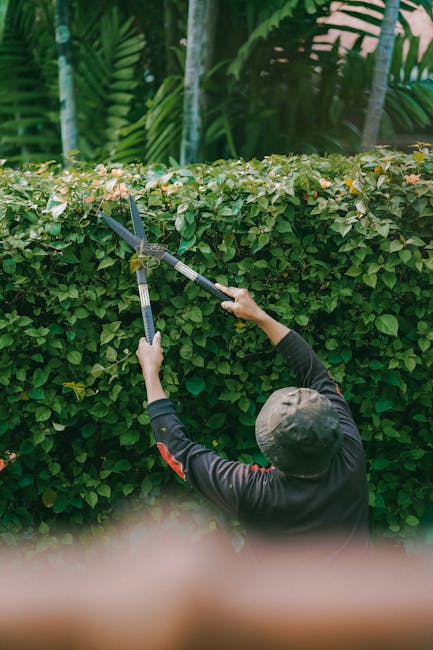
If you live in Lee and you are comparing gardeners near Blackheath, it is easy to assume the job will be simple: find someone friendly, agree a price, and get the garden sorted. In reality, the small decisions made at the start often shape the whole outcome. The most common Mistakes Lee homeowners make when hiring gardeners near Blackheath are rarely dramatic. They are the quiet, ordinary ones - skipping the quote details, not checking what is included, or choosing the cheapest option and hoping for the best. Truth be told, that is where trouble usually begins.
This guide breaks the process down in a practical way. You will see what to look for, what to avoid, how to compare quotes properly, and how to get better results without overcomplicating the job. It is written for real homeowners, not for perfect-sounding brochures. Because a garden is not just a patch of green; it is where people sit, play, trim, plant, and occasionally stare out of the window wondering why the lawn looks a bit tired again.
Why Mistakes Lee homeowners make when hiring gardeners near Blackheath Matters
Hiring a gardener is not just a convenience purchase. It affects safety, plant health, kerb appeal, privacy, and even how much maintenance you will need later. A rushed decision can leave you with patchy mowing, overcut hedges, damaged beds, or a garden that still looks unfinished after the money has been spent. And if the work includes heavier tasks such as tree work, clearance, or hard landscaping, the risks get bigger very quickly.
In Lee and the Blackheath area, gardens vary a lot. Some are neat, compact spaces that need regular upkeep. Others are older, shaded, uneven, and full of hidden surprises like root growth, awkward access, or long-neglected borders. That means the right gardener is not simply the nearest or the cheapest. It is the one who understands the actual job, communicates clearly, and can match the work to your garden's condition.
One of the big reasons this matters is expectation management. If you assume "garden maintenance" means everything from mowing to hedge reduction, waste removal, and pruning, but the gardener thinks you only want a tidy-up, you are almost guaranteed disappointment. The fix is usually straightforward, but only if you spot the mismatch before work begins.
Practical takeaway: most bad hiring experiences start before the first cut is made. The safest approach is to clarify the scope, confirm what is included, and check whether the gardener is suitable for the exact type of work you need.
How Mistakes Lee homeowners make when hiring gardeners near Blackheath Works
The hiring process should be a conversation, not a guess. First, you identify the job: regular upkeep, a one-off clearance, hedge work, lawn care, planting, or a larger landscaping project. Then you compare providers based on relevance, not just availability. A good conversation should cover access, waste removal, timing, equipment, and whether the work is routine maintenance or something more specialist.
Here is the part people often miss: a gardener is not a universal solution for every outdoor task. A provider who is excellent at garden maintenance may not be the best fit for substantial clearance work or structural changes. Likewise, someone who does tidy mowing neatly may not have the right setup for mature hedging or more complex garden reshaping. That does not mean they are poor at their job. It just means the job and the contractor need to match.
There is also a practical side to scheduling. Gardens change with the seasons. After wet weather, growth can be fast and messy. In a dry spell, lawns can stress and borders may need different care. If you book the wrong service at the wrong time, or wait until the garden is already in trouble, you may end up paying more for work that could have been handled more efficiently earlier.
For one-off jobs, especially, it helps to think in stages. A decent contractor will usually assess the site, identify what can be done in one visit, and explain what may need follow-up. That kind of clarity saves everyone a headache. No drama, no guessing.
Key Benefits and Practical Advantages
When you avoid the usual mistakes, the benefits are easy to feel. The garden looks better, yes, but that is only the surface level. You also get less back-and-forth, fewer surprises, better value, and a lower chance of having to pay twice to fix a job that should have been done properly in the first place.
- Clearer expectations: everyone knows what is included and what is not.
- Better value: you compare like for like rather than price alone.
- Safer work: especially important if tools, ladders, or tree-related tasks are involved.
- More reliable outcomes: the work is completed to the level your garden actually needs.
- Less wasted time: fewer callbacks, fewer disputes, fewer "I thought that was included" moments.
There is also a subtle benefit that homeowners sometimes underestimate: confidence. Once you know how to evaluate a gardener properly, you stop second-guessing every quote. You can ask sharper questions, spot vague answers, and move through the process without feeling like you are being nudged into a decision. That matters more than people think.
If you are comparing broader outdoor work too, it can help to understand how different services fit together. For example, a tidy regular visit may be best handled through lawn mowing and hedge care, while a neglected plot may need garden clearance before anything else makes sense. Simple enough, but worth saying.
Who This Is For and When It Makes Sense
This guide is for Lee homeowners who want a garden that looks cared for without wasting money or taking needless risks. It is especially relevant if you are:
- booking a gardener for the first time
- switching from a previous contractor
- comparing quotes for seasonal work
- dealing with an overgrown or awkward garden
- planning a larger redesign or landscaping project
- trying to decide whether to use one-off or ongoing maintenance
It also makes sense if you have a small garden and think the job will be simple. Sometimes small gardens are deceptively tricky. Narrow access, delicate planting, shared boundaries, and tight time windows can make a "quick tidy" more complicated than expected. That is the sort of thing you only notice when the gardener is already at the gate.
Homeowners with mature trees, high hedges, or uneven plots should be especially careful. Those jobs often involve more than routine clipping or mowing. If the work touches tree safety, structural changes, or waste-heavy clearance, you need a contractor who understands the practical and safety side as well as the appearance side. For more specialised tasks, pages like hedge trimming and tree lopping and removal are useful reference points when thinking about the type of service required.
Step-by-Step Guidance
-
Define the job properly.
Write down what you actually want done. Be specific. "Tidy the garden" is too vague. Better: mow lawn, trim front hedge, remove cuttings, weed rear border, and clear the patio edge.
-
Separate maintenance from one-off work.
Ongoing upkeep and heavy clearance are different animals. If the space is overgrown, a maintenance visit may not be enough. If the garden is already in decent shape, a full clearance is probably unnecessary.
-
Ask what is included in the quote.
Check labour, materials, waste removal, fuel, disposal, and any extra charges for access or specialist equipment. This is where many misunderstandings begin. A quote that looks neat on paper can still be incomplete.
-
Check whether the provider is suitable for the job type.
Look for evidence that the gardener handles the kind of work you need. Someone who focuses on upkeep may be great for routine jobs, while a wider services overview can help you see whether the provider covers maintenance, landscaping, clearance, or more detailed outdoor work.
-
Ask about access and waste.
Can tools and waste pass through the side gate? Is there parking nearby? Will green waste be taken away or left in bags? These practical details affect timing and cost more than people realise.
-
Confirm the schedule and communication style.
Will they text before arrival? Do they give a time window or an exact slot? You do not need a corporate system. You just need to know when the van is likely to turn up, especially if you need to be home.
-
Review the result against the brief.
Once the work is finished, compare it with the original list. If something was missed, raise it quickly and calmly. Good contractors are usually happy to clarify. That little bit of follow-through saves awkwardness later.
This is not complicated. But it does require a bit of discipline at the start. A few careful questions now usually prevent a lot of irritation later.
Expert Tips for Better Results
Here is the most useful advice, the sort that tends to come from working with real gardens rather than from theory. First, always ask what happens if the garden needs more work than expected. Overgrown spaces can hide surprises: tangled climbers, compacted soil, broken edging, or old waste buried under growth. If nobody mentions a plan for that possibility, the final bill can drift.
Second, be honest about what you want the space to feel like. Some homeowners want an immaculate look. Others want a softer, more natural garden that still feels neat. Those are not the same brief. A good gardener can work with either style, but only if you say so. Otherwise, you may end up with a finish that is technically tidy but not really right for your home.
Third, pay attention to how questions are answered. A strong provider will usually explain the work plainly, mention trade-offs, and avoid making every task sound effortless. If every problem is "no issue at all," maybe pause. Gardens are rarely that simple. A bit of realism is reassuring.
And one small but useful point: do not wait until the garden is completely out of hand. A short, regular visit often costs less in the long run than letting growth run wild and then paying for recovery work. Gardeners see this all the time, and frankly, it is one of those home tasks people mean to stay on top of until suddenly it is a jungle again.
If you are looking for ongoing care rather than emergency rescue, regular garden maintenance is often the most sensible place to start. It keeps things manageable. Boring? Maybe a bit. Effective? Absolutely.
Common Mistakes to Avoid
These are the mistakes that cause most of the friction, wasted spend, or disappointing results when Lee homeowners hire gardeners near Blackheath.
- Choosing on price alone. The cheapest quote can be fine, but it is risky if you have not checked exactly what is included.
- Not defining the scope. "Tidy up" is too vague. Be specific about lawn, borders, hedges, waste, and finish level.
- Assuming all gardeners do the same work. Some are better suited to maintenance, others to clearance, landscaping, or specialist tasks.
- Ignoring access issues. Tight access, parking, and waste removal can affect the job more than expected.
- Skipping insurance and safety questions. If tools, ladders, or heavier work are involved, you need reassurance that the contractor takes safety seriously.
- Forgetting to ask about recycling and disposal. Garden waste does not magically disappear. You need to know who is taking it, how, and whether that is included.
- Not checking the finish standard. A lawn can be cut, and still look rough. A hedge can be trimmed, and still look uneven. Details matter.
- Leaving the garden to the last minute. Waiting until everything is overgrown often makes the job bigger, slower, and more expensive.
One more thing: do not be afraid to sound picky. You are paying for a service on your property. Ask the awkward question. It is usually the sensible one.
Tools, Resources and Recommendations
You do not need a toolkit the size of a shed to hire a good gardener, but a few practical resources help a lot. A notepad or phone notes app is enough to record what you want done, what was quoted, and what was agreed. A few photos of the garden before the visit can also be surprisingly useful, especially if you are away when the quote is discussed.
If you are comparing providers, it helps to review the basics in one place. Pages such as pricing and quotes are useful for understanding how the process should be framed, while an about us page can give a better sense of the company's approach, values, and scope of work.
For homeowners who care about waste handling and long-term garden health, sustainability matters too. A provider that thinks carefully about clippings, disposal, and reuse is often more organised overall. You can read more about that on the recycling and sustainability page.
And if you are nervous about the practical side, keep it simple. Good notes, clear photos, and direct questions do most of the work. Fancy jargon does not help. In fact, it can get in the way.
Law, Compliance, Standards, or Best Practice
For garden work in the UK, a careful homeowner should think in terms of sensible best practice rather than assuming every contractor operates the same way. If a job involves ladders, cutting equipment, lifting, disposal, or working close to boundaries, it is reasonable to ask how the work will be carried out safely. You do not need legal training to ask whether the provider has appropriate insurance and follows its own safety procedures.
That is where a page like insurance and safety becomes particularly relevant. It reflects the kind of reassurance many homeowners want before work begins. For wider operational standards, a service provider may also set out its approach to health and safety, privacy, payments, or complaints. Those pages are not just formalities; they show how the business handles real-world issues when something needs attention.
It is also worth remembering that some tasks should be treated more carefully than others. Cutting back a small hedge is not the same as working on a mature tree or reshaping a boundary line. If a contractor seems casual about risk, that is not a good sign. A sensible professional will explain limits, work method, and any need for extra care in plain language.
If you are unsure, ask directly. A good gardener should not mind. In fact, the decent ones usually prefer it.
Options, Methods, or Comparison Table
It helps to compare the most common hiring approaches before you commit. The best option depends on how much work you need, how quickly you need it, and whether the garden is already fairly tidy or in need of proper attention.
| Hiring approach | Best for | Pros | Watch out for |
|---|---|---|---|
| One-off tidy-up | Small refreshes, seasonal jobs, quick preparation | Simple to arrange, easy to budget, good for visible improvement | May not solve deeper issues like overgrowth or repeated maintenance needs |
| Regular maintenance | Homes that need consistent mowing, trimming, and upkeep | Keeps the garden stable, easier to manage over time | Needs a clear schedule and scope so nothing gets missed |
| Clearance-first approach | Neglected gardens, heavy growth, problem areas | Removes the immediate burden and creates a clean starting point | Can cost more up front and may still need follow-up maintenance |
| Broader landscaping project | Redesigns, layout changes, patios, new planting structure | Transforms the space rather than just tidying it | Requires stronger planning, clearer brief, and more careful budgeting |
If your garden needs more than routine upkeep, it may be worth looking at landscape gardening or broader landscaping options. Not every garden needs that level of work, of course. But when it does, trying to force everything into a basic maintenance visit is usually a false economy.
Case Study or Real-World Example
Here is a realistic example based on a very common homeowner situation. A Lee family had a rear garden that looked manageable from the kitchen window, but once they walked the whole space properly, they realised the borders were swallowed by weeds, the hedge had gone patchy, and the lawn had uneven growth from months of stop-start care. They asked for a "general tidy-up" from the first gardener they found.
The problem was that "tidy-up" meant different things to each side. The gardener arrived expecting routine pruning and mowing. The homeowners expected full border clearing, hedge reshaping, and waste removal. The result? Half the job got done, both sides were frustrated, and the second visit took longer because the brief had to be reset.
When they tried again, they took a different approach. They listed the exact tasks, separated maintenance from clearance, and asked for a clearer breakdown of what would happen first. The garden was then tackled in two stages: heavy clearance, followed by regular upkeep. The final result was calmer, cleaner, and much less stressful for everyone involved. Nothing dramatic. Just better planning.
That is the pattern you see over and over. The second attempt is not always about finding a "better" gardener. Sometimes it is simply about asking better questions.
Practical Checklist
Before you hire anyone, run through this simple checklist. It will save you from most avoidable problems.
- Have I written down the exact work I want done?
- Do I know whether this is maintenance, clearance, or landscaping?
- Have I asked what is included in the price?
- Do I know whether waste removal is included?
- Have I checked access, parking, and garden entry points?
- Have I asked whether the gardener is suitable for the specific task?
- Do I know how the gardener handles insurance and safety?
- Have I compared at least two quotes on the same basis?
- Have I confirmed timing, arrival expectations, and communication?
- Do I know what result I should expect at the end of the visit?
If you can answer yes to most of those, you are in good shape. If not, slow down a little. That is not delay for the sake of it. It is just common sense.
Get a free quote today and see how much you can save.
Conclusion
The biggest mistakes Lee homeowners make when hiring gardeners near Blackheath are usually simple ones: vague briefs, rushed choices, weak comparisons, and assumptions about what the job includes. None of that is glamorous, but it is exactly where most avoidable frustration starts. The good news is that these mistakes are easy to fix once you know what to look for.
Think in terms of clarity, suitability, and trust. Clarify the work. Match the gardener to the job. Ask the unglamorous questions about access, waste, timing, and safety. Do those things well and you are much more likely to end up with a garden that feels cared for, not just "done."
And honestly, that is what most people want anyway: fewer surprises, a neat result, and a bit of calm when you look out at the garden on a quiet morning. Nice and simple.
Frequently Asked Questions
What is the most common mistake homeowners make when hiring a gardener?
The most common mistake is being too vague about the job. If you only say "tidy the garden," the result may not match what you expected. A better brief lists the exact tasks, the finish you want, and whether waste removal is included.
Should I always choose the cheapest gardener?
Not necessarily. The cheapest quote can be perfectly fine, but only if it covers the same scope as the others. If one quote is much lower, check whether it excludes waste removal, travel, materials, or extra labour.
How do I know whether I need maintenance or clearance?
If the garden is basically under control and just needs regular attention, maintenance is usually the better fit. If it is overgrown, cluttered, or full of old material, you may need a clearance-first approach before ongoing care makes sense.
What should a gardener's quote include?
At minimum, it should clearly describe the work, labour, and any known extras. It is also sensible to ask about waste removal, equipment, and whether the price changes if the job turns out to be larger than expected.
Why does insurance matter when hiring a gardener?
Insurance matters because garden work can involve tools, ladders, heavy materials, and potential property damage. Asking about insurance and safety is a normal part of hiring responsibly, especially for more involved jobs.
How can I compare gardeners fairly?
Compare them on the same brief. Give each one the same list of tasks and ask what is included. That way you are comparing genuine value rather than just headline price.
Is it a problem if the gardener does not offer waste removal?
Not always, but it must be clear. Some homeowners are happy to handle green waste themselves. Others want it taken away. The problem only comes when nobody discusses it and the garden is left with bags or piles the owner did not expect.
What if my garden has awkward access?
Say so early. Narrow side passages, shared entrances, and difficult parking can all affect the time and cost of the job. A careful gardener will want to know before the visit, not after they have arrived.
How often should I book garden maintenance?
It depends on the garden and the season. Some homes need weekly or fortnightly work in growing months, while others only need occasional upkeep. The right schedule is the one that keeps the garden manageable without overpaying for unnecessary visits.
Can one gardener handle mowing, hedges, and landscaping?
Sometimes yes, sometimes no. Some providers cover a wide range of services, while others focus on routine maintenance. It is worth checking scope rather than assuming every gardener offers the same mix of work.
What should I do if the finished work is not what I asked for?
Raise it quickly and calmly. Refer back to the original brief and explain the gap. Most problems can be resolved more easily when they are addressed early, before details are forgotten or the next visit is scheduled.
Is it worth checking the company's policies before hiring?
Yes, especially if the job is bigger than a simple mow. Policies on pricing, complaints, privacy, safety, and payments show how the business operates. They are not exciting reading, but they do help build trust.