Reliable gardeners serving Hither Green station area
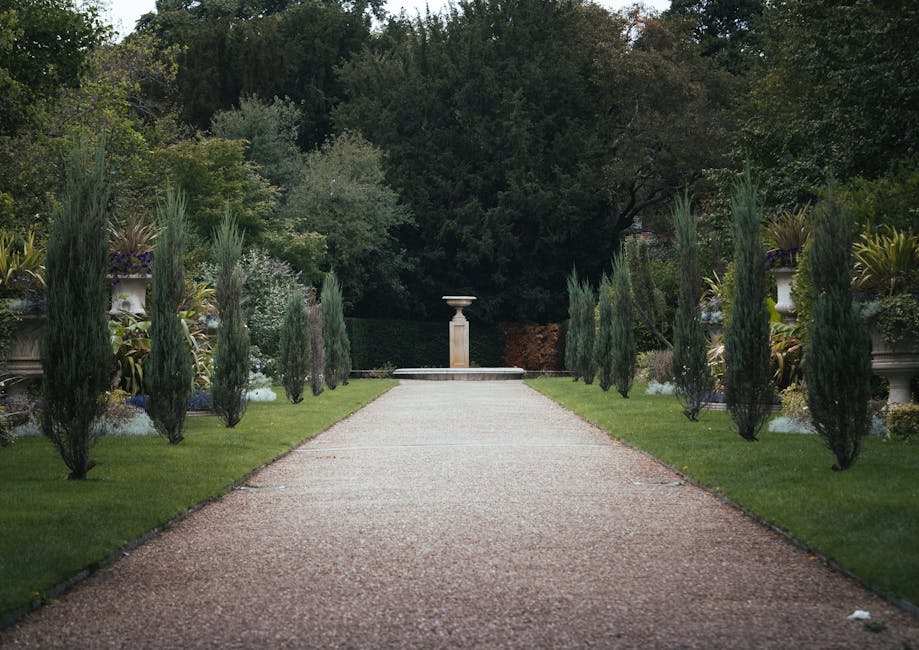
If you live or work near Hither Green station, you already know how quickly a garden can slip from "fine" to slightly chaotic. One wet week, a bit of wind, a few missed cuts, and suddenly the lawn looks tired, the hedge is doing its own thing, and the borders are less "cottage style" and more "needs attention". Reliable gardeners serving Hither Green station area are there to keep that from becoming a constant headache.
This guide explains what dependable local garden care actually looks like, how the service usually works, what to expect from different types of gardening support, and how to choose a team that turns up, communicates properly, and leaves the place better than they found it. You will also find practical tips for maintenance, a comparison of common service options, and a straightforward checklist to help you decide what you need.
Why Reliable gardeners serving Hither Green station area Matters
Reliable garden care is not just about keeping things neat, although that is part of it. In a busy station-area setting, consistency matters. Front gardens need to look welcoming. Rear gardens need to stay usable. Shared spaces need to be safe, clear, and manageable. And if you are juggling work, travel, children, pets, or a rental property, garden jobs are usually the first thing to get pushed back.
That is where reliability becomes the real value. A gardener who turns up on time, works to an agreed scope, and leaves you with a clear result saves time, avoids frustration, and keeps the garden from drifting into bigger, more expensive jobs. A half-finished hedge trim or a skipped clearance can snowball quickly. To be fair, most people do not need a dramatic garden transformation every month. They need someone who keeps on top of the basics without fuss.
Near Hither Green station, gardens can also be a little more exposed to wear from day-to-day life: foot traffic, bins, bikes, parked cars, and the usual London grime that seems to find its way into paving and beds. Reliable local gardeners understand that rhythm. They know what a practical, lived-in garden needs, not just what looks good in a photo.
Expert summary: A reliable gardener is not simply a person with tools. It is someone who communicates clearly, works safely, understands seasonal maintenance, and leaves you with fewer problems next time, not more.
How Reliable gardeners serving Hither Green station area Works
Most professional garden services follow a simple pattern: assess the space, agree the work, complete it efficiently, and tidy up properly. The difference between a decent experience and a frustrating one is usually in the details. What gets included? How often is the service needed? What happens if the weather changes? Is waste removal part of the job or separate? Those questions matter.
For many homes and small properties, the work may be split into regular maintenance or one-off visits. Regular maintenance tends to suit lawns, borders, hedges, and seasonal tasks. One-off visits are more common for garden clearance, initial tidy-ups, or preparation before selling, renting, or reusing outdoor space. If the garden has become overgrown, a clearance visit may come first, followed by a maintenance plan so it does not slide backwards.
You might also need a mix of services. A lot of local gardens are like that. A lawn may need mowing, the hedge might need shaping, and the side return could need clearing in the same visit. Services such as garden maintenance, lawn mowing, hedge trimming, and garden clearance often fit together naturally rather than standing alone.
Good gardeners do not rush past the planning stage. They ask the right questions: How often is the lawn cut? Are there access issues? Is waste to be removed? Are there fragile plants to protect? Is the area shared? A few minutes here can prevent awkward surprises later. And yes, the awkward surprises always happen at the worst possible time.
Key Benefits and Practical Advantages
There are plenty of reasons people look for dependable gardeners in this part of south-east London, and some are more practical than glamorous.
- Time saved: The obvious one. If you are commuting, working from home, or managing a busy household, garden chores become easier to outsource.
- Better presentation: A tidy exterior makes a home feel cared for. That matters for guests, tenants, buyers, and even your own day-to-day mood.
- Healthier growth: Regular cutting, pruning, and clearing usually support better plant health than letting everything become overgrown and then hacking it back in one go.
- Safer use of outdoor space: Clear paths, controlled hedges, and manageable trees reduce trip hazards and keep access easier.
- Lower long-term effort: Small, regular jobs often prevent the big catch-up jobs that cost more time and energy later.
- Less stress: This one is underrated. It is genuinely calming to know the garden is under control, even if it is not perfect.
There is also a quiet quality-of-life benefit. On a mild evening, when you can open the back door and see the space looking neat rather than neglected, the whole house feels different. Not dramatic. Just better.
If you are considering broader improvements too, services like landscaping, landscape gardening, and even decking services can help turn a plain garden into a more usable outdoor room. That said, good maintenance is still the foundation. Fancy features do not stay lovely for long if the basics are ignored.
Who This Is For and When It Makes Sense
Reliable local gardening support is useful for a wide range of people, not just homeowners with large plots. In fact, some of the strongest demand comes from smaller, more ordinary gardens that simply need consistent attention.
This tends to make sense if you are:
- a homeowner who wants the front and back garden kept in shape without spending weekends on it;
- a landlord or property manager who needs outdoor areas presentable between tenancies;
- a tenant with permission to maintain a private garden but little time or equipment;
- a family with a lawn, hedge, and borders that need regular attention;
- an older resident who would rather avoid physically demanding tasks;
- someone preparing to sell, let, or refresh a property near Hither Green station;
- a busy commuter who wants the garden handled while life keeps moving.
There are also seasonal moments when the need becomes obvious. Spring growth gets away from people. Summer lawns need consistent care. Autumn leaves and cuttings pile up. After storms, trees and hedges can need attention quickly. If you wait too long, the job becomes less about gardening and more about recovery work.
Truth be told, many people do not realise they need a gardener until they are already staring at a patchy lawn and a hedge that has started to lean into the path. Happens all the time.
Step-by-Step Guidance
If you are arranging work for the first time, the process is easier when you break it down. Here is a simple way to approach it.
- Walk the garden slowly. Notice what is urgent, what is routine, and what is cosmetic. A broken fence panel is urgent. A tired border may just need seasonal attention.
- List the jobs in plain language. For example: mow lawn, trim hedge, clear leaves, remove green waste, tidy beds, prune small shrubs. Simple is good.
- Decide whether you need a one-off or regular visit. If the space gets messy quickly, a recurring plan is often more efficient.
- Check access and timing. Can someone let the team in? Is there side access? Are there parking or gate constraints near the station area?
- Ask for a clear scope. A reliable gardener should tell you what is included and what is not. No guessing, no vague "we'll see".
- Confirm waste handling. Some jobs produce a lot of material. If removal is needed, make sure that is understood before work starts.
- Agree the finish. Do you want cuttings bagged, borders edged, paths swept, or everything left spotless? It is worth saying.
- Review after the first visit. Good communication after the job helps refine future visits. A small tweak now can make the whole routine smoother.
If the garden is badly overgrown, a clearance-first approach is usually the cleanest route. Then maintenance can take over. That is the pattern that prevents endless catch-up work. Messy once, tidy ongoing. Much better.
Expert Tips for Better Results
There are a few habits that consistently improve garden results, especially in compact urban spaces where every square metre matters.
1. Keep the schedule realistic. A lawn that grows fast in late spring may need more frequent attention than one in shaded winter conditions. The timing should suit the garden, not an idealised calendar.
2. Do not overcut everything. Over-trimming hedges and scalping lawns can make things look worse, not cleaner. A careful cut is usually the smarter cut.
3. Think in layers. The garden often works best when the basics are stable first, then the details are refined. Lawn, hedge, access, borders, structure. That order makes sense in real life.
4. Pay attention to edges. This sounds small, but edging along paths and beds often changes the whole feel of a garden. One neat edge can make a simple space look properly cared for.
5. Use the off-season well. Winter and early spring are great times to sort structure, clear debris, and plan improvements. You do not need to wait until everything is a jungle.
6. Be honest about the garden's purpose. Is it for children, pets, quiet sitting, entertaining, or mostly viewing from the kitchen window? The right care plan depends on how you actually use it.
7. Keep communication brief but specific. "Please focus on the back hedge and side return this month" is more helpful than "just tidy it up". Not because gardeners mind, but because clarity saves everyone time.
And here is one slightly unglamorous truth: gardens rarely fail because of one big disaster. More often, they slip because five little jobs were left for "later". Later is a slippery word.
Common Mistakes to Avoid
Choosing local garden help is straightforward enough, but there are some easy mistakes that can lead to disappointment.
- Being unclear about the job: If you do not say what needs doing, you may not get what you expected.
- Assuming waste removal is included: Green waste can take up space quickly. Always confirm.
- Choosing only on price: Cheap work that leaves you redoing the job is not cheap in the long run.
- Ignoring access issues: Locked gates, shared entrances, parking limits, and narrow passages all matter more than people think.
- Letting hedges and trees grow unchecked: Big cuts are harder, riskier, and less tidy than regular care.
- Forgetting seasonal timing: Some work is best done at certain times of year. Rushing at the wrong time can be counterproductive.
- Not checking safety and insurance basics: This is especially important for larger jobs or anything involving ladders, power tools, or tree work.
A common real-world example: someone books a simple tidy-up, but the garden has several months of growth and heavy debris. If that is not flagged early, the visit can feel rushed or incomplete. The fix is not complicated, but the expectation needs to match the actual state of the garden. A little honesty up front saves a lot of back-and-forth later.
Tools, Resources and Recommendations
Good gardeners rely on the right tools, but good clients benefit from a little structure too. You do not need specialist equipment yourself, just a clear understanding of what helps the job go smoothly.
| Need | Useful approach | Why it helps |
|---|---|---|
| Routine upkeep | Regular garden maintenance and planned visits | Keeps the space under control before problems build up |
| Lawn care | Scheduled lawn mowing | Maintains a cleaner look and more even growth |
| Overgrown hedges | Hedge trimming with a clear finish standard | Prevents blocked paths, messy outlines, and uneven regrowth |
| Heavy buildup | Garden clearance before maintenance starts | Removes the backlog so future visits are easier |
| Big improvement project | Services overview and broader planning | Helps match the right service to the actual garden goal |
If you are comparing providers, look beyond the headline offer. A good service explanation, clear pricing approach, and sensible attitude to safety are all useful signals. Pages such as pricing and quotes, insurance and safety, and health and safety policy can help you understand how a professional team thinks about its work.
For clients who care about waste and reuse, it is also sensible to ask how cuttings and debris are handled. The best approach is usually simple: reduce waste where possible, remove what needs removing, and dispose of materials responsibly. If sustainability matters to you, recycling and sustainability is worth reviewing before work begins.
Law, Compliance, Standards, or Best Practice
For most domestic gardening jobs, the legal side is not complicated, but there are still sensible standards to keep in mind. Larger or more technical work, especially involving trees, tools, ladders, or waste movement, should be handled with care. That is just good practice. Nobody wants a neat lawn and a problem behind the scenes.
In the UK, reputable garden contractors generally work with attention to health and safety, appropriate insurance, and safe use of equipment. If tree work is involved, it becomes even more important to understand what is being done and why. Tree lopping and removal can carry more risk than standard garden maintenance, so this is not the place for guesswork or rushing.
Best practice also includes clear communication about access, waste, property boundaries, and any fragile areas in the garden. If you have children, pets, or shared access arrangements, say so early. It is not overcautious; it is responsible.
If a company offers fixed expectations for complaints handling, payment security, and written terms, that is usually a reassuring sign too. You may not need those pages on day one, but it is nice to know they exist. If you want to learn more about how a provider structures its service, about us, terms and conditions, and payment and security are sensible places to check.
Options, Methods, or Comparison Table
Choosing the right type of gardening support depends on the condition of the space and how often it needs attention. Here is a practical comparison.
| Option | Best for | Strengths | Watch out for |
|---|---|---|---|
| Regular maintenance | Established gardens that need ongoing care | Predictable, tidy, efficient | Needs a realistic schedule |
| One-off tidy-up | Lightly neglected spaces or seasonal refreshes | Quick improvement, flexible | May not solve recurring growth issues |
| Garden clearance | Overgrown or cluttered gardens | Resets the space and makes it usable again | Often more labour-intensive than expected |
| Landscaping | When layout, structure, or usability needs changing | Can transform the space | Usually needs more planning and budget |
| Decking or feature work | When you want improved outdoor use | Adds function and finish | Needs good maintenance to stay looking right |
In practice, many gardens near station areas start with a one-off tidy-up, then move into regular maintenance. That is often the cleanest route. It is less dramatic than a full redesign, perhaps, but far more workable for day-to-day life.
Case Study or Real-World Example
Here is a realistic example. A small rear garden near Hither Green station had become a bit of everything at once: the lawn was patchy and too long, the hedge had encroached on the path, and the side return had gathered leaves, old pots, and general clutter. Nothing unusual. Just one of those spaces that quietly gets away from you.
The first step was a clearance-style visit to remove the mess and restore access. That made the space feel immediately larger. Next came a simple maintenance plan: lawn cutting, hedge trimming, edging, and seasonal tidy-ups. No grand redesign. No unnecessary extras. Just a few practical changes that made the garden easier to use and much easier to keep in shape.
What changed most was not just appearance. The owner stopped dreading the space. The back door felt usable again. On a breezy evening, the garden no longer looked like a task list. It looked like somewhere to sit for ten minutes with a cup of tea and hear the city quiet down a little. That small shift matters more than people expect.
Practical Checklist
Use this simple checklist before you book a gardener or plan the next visit.
- Decide whether the garden needs a one-off job or regular maintenance.
- List the priority tasks in plain language.
- Check whether waste removal is needed.
- Note any access issues, pets, or shared entrances.
- Ask what tools or equipment will be used for the job.
- Confirm whether the work includes edging, sweeping, and a final tidy.
- Make sure any tree-related work is clearly discussed in advance.
- Ask how pricing is structured so there are no awkward surprises.
- Review safety, insurance, and complaint handling basics.
- Keep the plan realistic for the time of year and the garden's condition.
If you can tick most of those off, you are usually in a good place. Simple as that.
Conclusion
Reliable gardeners serving Hither Green station area bring more than a cut lawn or a neat hedge. They bring consistency, clarity, and a sense that the garden is being looked after properly. That matters in a busy part of London where time is short, weather changes quickly, and outdoor spaces have to earn their keep.
The best approach is usually the simplest: define what you need, choose a service that matches the job, and keep the work regular enough that problems do not pile up. Whether you need maintenance, clearance, hedge work, or a broader landscaping plan, the right gardener makes the whole thing feel manageable rather than draining. And that, honestly, is half the battle.
Get a free quote today and see how much you can save.
When your garden feels under control, the whole home settles a little. That's a good feeling. Worth keeping.
Frequently Asked Questions
What do reliable gardeners in the Hither Green station area usually do?
They typically handle routine maintenance such as mowing, hedge trimming, edging, pruning, clearing leaves, tidying borders, and removing garden waste. Some also provide larger jobs like clearance or landscaping support.
How often should a garden near Hither Green station be maintained?
It depends on the size of the garden, the season, and how fast things grow. Many gardens benefit from regular visits during spring and summer, then lighter maintenance in autumn and winter.
Is garden clearance different from regular garden maintenance?
Yes. Garden clearance is usually a bigger reset job for overgrown or cluttered spaces, while maintenance is the ongoing work that keeps a garden tidy after it has been brought back under control.
Can gardeners help if my hedge has become too large?
Yes, hedge trimming is a common service. For very tall, thick, or awkward hedges, it is worth discussing the scope carefully so the right tools, time, and safety approach are used.
Do I need to be at home during the visit?
Not always, but it depends on access and what has been agreed. If the gardener can safely access the garden and you have confirmed the details beforehand, being present may not be necessary.
How do I know if I need landscaping rather than simple maintenance?
If the layout, usability, drainage, or overall structure of the garden needs changing, landscaping may be the better option. If the garden already works well and just needs regular care, maintenance is usually enough.
What should I ask before booking a gardener?
Ask what is included, whether waste removal is part of the price, how access will work, what happens in bad weather, and whether the team is insured and follows clear safety practices.
Are tree-related jobs part of standard gardening?
Sometimes, but not always. Smaller pruning may be included in general garden care, while larger tree work or removals should be discussed separately because the risk and equipment needs are different.
Why does reliability matter so much for local garden work?
Because garden problems tend to build quietly. A missed visit or a poorly handled job can quickly lead to more work later. Reliable service keeps the space manageable and prevents the cycle of catch-up.
Can regular garden care save money in the long run?
Often, yes. Small, consistent jobs are usually easier and less disruptive than letting a garden get heavily overgrown and then dealing with a major clear-up later.
What if my garden is small but still needs help?
Small gardens often benefit a lot from professional care because limited space shows neglect quickly. Even short visits can make a big difference if the work is focused and regular.
How do I choose between different gardeners?
Look for clear communication, relevant services, sensible pricing, safety awareness, and a practical understanding of what your garden actually needs. The right fit is usually the one that makes the process easy, not complicated.